
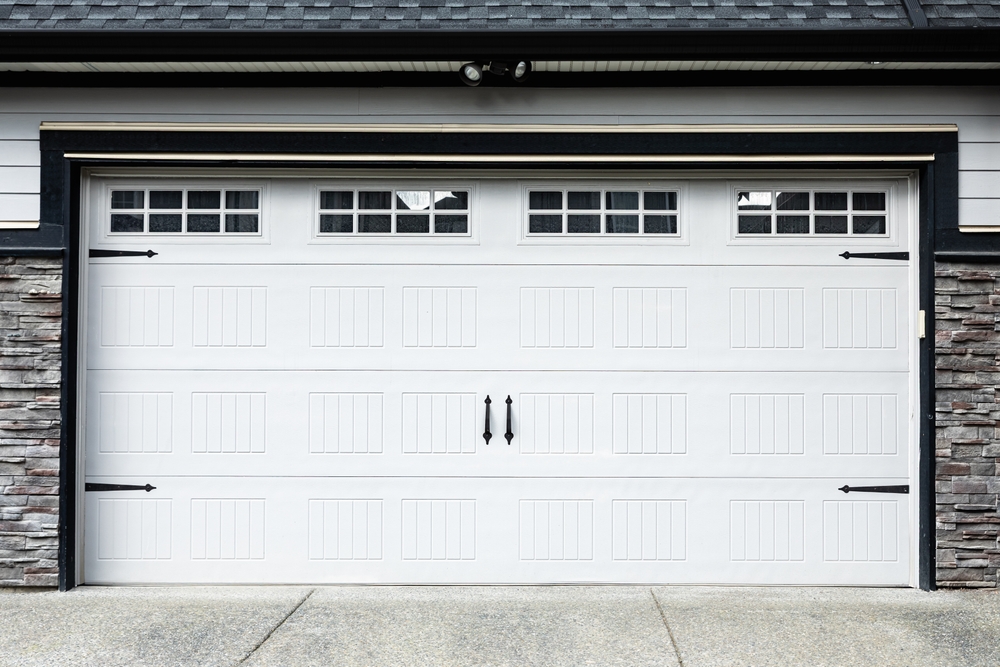
Garage doors are vital components of both residential and commercial properties, providing ease of access, security, and efficiency. However, garage door repair needs vary significantly between homes and businesses. While both types of doors serve a similar purpose, the mechanisms, frequency of use, and repair requirements are vastly different. In this blog, we will dive into the key differences between residential garage door repair and commercial garage door repair, helping you understand the nuances and ensuring that you choose the right type of service provider for your needs.
1. Understanding the Basics: Residential vs. Commercial Garage Doors
Before we dive into repairs, it’s essential to understand the basic differences between residential and commercial garage doors.
a. Residential Garage Doors
Residential garage doors are typically smaller, less complex, and designed to cater to the needs of homeowners. They are usually made of materials like wood, steel, or aluminum and are operated using a spring system and electric opener. The most common types of residential garage doors are:
-
Sectional Doors: Made up of panels that are hinged together, these doors are the most common and are suitable for most homes.
-
Roll-up Doors: These are ideal for smaller spaces and are typically used in smaller garages.
-
Swinging Doors: These doors open outwards and are less common but are found in some older homes.
Residential doors are used less frequently than commercial doors, but they still require regular maintenance to ensure smooth functioning.
b. Commercial Garage Doors
Commercial garage doors are typically much larger, built for durability, and designed to withstand frequent usage. These doors are essential for business operations, as they often provide access for vehicles, deliveries, and customers. Common types of commercial garage doors include:
-
Roll-up Doors: These are very common for businesses that need to access their garage or loading bay frequently. They are made of metal slats that roll into a coil when opened.
-
Sectional Doors: Similar to residential models, but built with thicker panels and heavy-duty hardware for commercial use.
-
High-Speed Doors: These are used in environments where speed is crucial, such as in warehouses, factories, or food storage facilities. They open and close much faster than standard doors, improving workflow efficiency.
-
Industrial Bi-Fold and Tri-Fold Doors: Used in larger facilities, these doors fold in sections as they open, allowing for large equipment to pass through.
Due to their size, usage, and purpose, commercial garage doors tend to require more heavy-duty mechanisms and repairs compared to residential doors.
2. Key Differences Between Residential and Commercial Garage Door Repair
While both residential garage door repair and commercial garage door repair deal with similar mechanical and electrical systems, the scale and frequency of repairs differ significantly. Here are the key differences:
a. Frequency of Use
One of the most noticeable differences between residential and commercial garage doors is the frequency of use. Residential garage doors are typically used a few times a day, mostly in the morning and evening. In contrast, commercial garage doors are often used multiple times an hour, especially in businesses that rely on loading and unloading goods. This increased usage puts more strain on the door systems, making commercial garage door repair more frequent and urgent.
b. Complexity of Repairs
Residential garage door repair generally involves simpler tasks such as fixing springs, rollers, or cables, or replacing sensors or openers. These repairs are less complex and can often be handled by a standard technician.
On the other hand, commercial garage door repair may require specialized expertise due to the larger size, high-frequency use, and the need for durability. Repairing a high-speed commercial garage door or a bi-fold door can be much more complex, requiring expert knowledge in both the mechanical and electrical components of the system. These doors often have advanced sensors, motors, and safety systems that require careful handling.
c. Materials and Parts
The materials used for residential garage doors are typically lighter and more affordable, such as steel, wood, or aluminum. Residential doors are also designed for aesthetic appeal, with many style options available to match the home’s design. In contrast, commercial garage doors are designed for functionality and durability, often using thicker metals and reinforced parts to handle the heavy-duty demands of business operations.
The repair parts for commercial garage doors are also more expensive due to the increased size and specialized components used in these systems.
d. Safety and Security
While both residential and commercial garage doors prioritize safety, commercial garage doors often come with additional safety features, such as advanced sensor systems, fire-rated doors, and security systems designed to protect valuable inventory or assets. This makes commercial garage door repair more complicated, as technicians need to ensure that the door’s security systems are fully functional after repairs.
e. Regulatory and Compliance Needs
Businesses must comply with specific safety regulations, and commercial doors are often subject to stricter building codes. Commercial garage door repair needs to ensure compliance with safety standards such as fire safety, accessibility, and load-bearing regulations. For instance, a commercial garage door in a warehouse may need to comply with fire safety codes to ensure it can resist heat and fire in case of an emergency.
3. Common Issues and Solutions for Residential and Commercial Garage Doors
Let’s explore some of the common problems that both residential and commercial garage doors face and how they are handled differently:
a. Broken Springs
Residential: In residential garages, broken springs are a common issue, especially after years of use. Springs are responsible for balancing the door’s weight, so when they break, the door becomes heavy and difficult to lift. Replacing the spring is a standard repair for residential garage doors.
Commercial: Commercial garage doors tend to have more robust spring systems, but they can still break due to constant use. In businesses that rely on high-speed doors, the springs may wear out more quickly, requiring faster repairs. Due to the larger scale, commercial garage door repair may involve the replacement of multiple springs.
b. Misaligned Tracks
Residential: Misaligned tracks are a common issue for residential garage doors, especially if the door has been bumped or impacted. This can cause the door to get stuck or operate unevenly.
Commercial: Misalignment is also a problem for commercial doors, but because these doors are often larger and heavier, the alignment needs to be precise to avoid damage or malfunction. The repair may take longer and may require specialized equipment for adjustment.
c. Malfunctioning Openers
Residential: A malfunctioning opener is a typical issue with automatic garage doors. The opener is responsible for activating the door, and if it fails, the door may not open or close properly.
Commercial: Commercial garage door openers are often more complex and are usually designed for higher capacity. Repairing or replacing a commercial opener is more involved due to the door’s size, weight, and the frequency of use. Additionally, commercial openers are often equipped with more sophisticated features like sensors, motion detectors, and remote access systems.
d. Worn-out Cables
Residential: Garage door cables are under significant tension, and over time, they can become frayed or snap. This is more common in residential doors due to the wear and tear from daily use.
Commercial: In commercial settings, cables must be able to withstand much greater loads and frequent use. Over time, cables can wear out, and because commercial doors are heavier, repairs may take more time and require stronger cables.
4. Choosing the Right Garage Door Repair Service for Your Property
a. For Residential Properties
When choosing a garage door repair company for your home, look for a company with experience in handling residential garage doors, especially if they deal with automatic garage door repair. Ensure they offer services like spring replacement, sensor realignment, and opener repairs.
b. For Commercial Properties
Commercial garage door repair requires specialized expertise due to the larger size, frequent use, and added security measures. Choose a garage door repair company that has experience with high-speed doors, industrial-sized doors, and safety compliance. A technician should be able to address the mechanical and electrical components of the system without compromising the safety or security of the business.
5. Conclusion
While residential garage door repair and commercial garage door repair both address common mechanical and electrical issues, the scope and complexity of the repairs can vary significantly. Understanding these differences ensures that you hire the right service provider for the job. Whether you’re a homeowner looking for quick repairs or a business owner requiring high-performance door solutions, choosing the right technician will save you time, money, and hassle in the long run. Always trust a professional with experience in your specific garage door type to ensure safety and quality.