
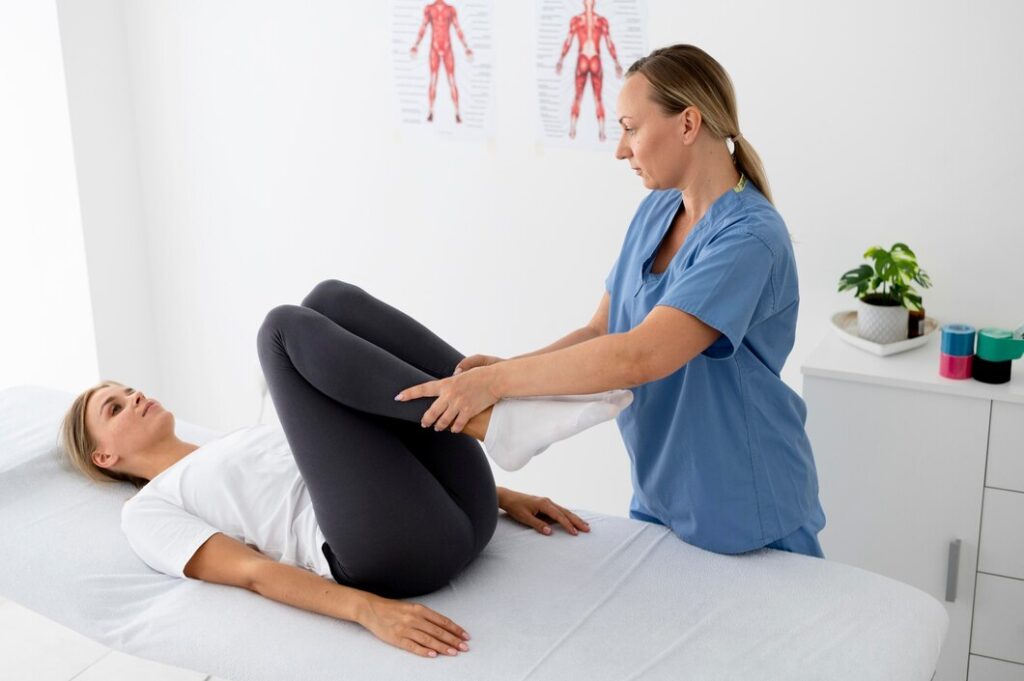
Pelvic floor therapy is an essential part of maintaining overall health, especially for those facing pelvic issues that can affect daily life. Whether you’re dealing with incontinence, pelvic pain, or post-partum recovery, pelvic floor therapy in Abbotsford offers effective treatment options tailored to individual needs. In Abbotsford, physiotherapy experts are using cutting-edge techniques to provide relief and empower patients to regain control of their bodies.
What is Pelvic Floor Therapy?
The pelvic floor is a group of muscles and connective tissue that supports the bladder, uterus (in women), prostate (in men), and bowel. These muscles play a key role in controlling urination, bowel movements, and sexual function. Pelvic floor therapy focuses on strengthening, relaxing, and improving the coordination of these muscles to address various issues related to incontinence, pain, and discomfort.
Physiotherapists who specialize in pelvic floor therapy use a variety of techniques, including manual therapy, exercise prescription, biofeedback, and education, to restore optimal pelvic floor function. In Abbotsford, experienced physiotherapists can guide patients through individualized treatment plans to address their specific concerns.
Why is Pelvic Floor Therapy Important?
Many people are unaware of the importance of pelvic floor health, yet pelvic issues can significantly impact quality of life. Conditions like urinary incontinence, pelvic organ prolapse, and chronic pelvic pain can create physical, emotional, and social challenges. Whether due to aging, childbirth, surgery, or other factors, pelvic floor dysfunction is a common issue that can affect anyone.
Pelvic floor therapy is important for the following reasons:
- Incontinence: Urinary and fecal incontinence are common symptoms of pelvic floor dysfunction. Therapy can help control leaks and restore bladder and bowel control.
- Pelvic Pain: Pain during intercourse, pelvic discomfort, or pain related to menstruation or childbirth can often be linked to pelvic floor dysfunction. Therapy can relieve this pain and promote healing.
- Postpartum Recovery: After childbirth, the pelvic floor may be weakened or stretched, leading to issues such as incontinence or prolapse. Therapy helps speed up recovery and strengthens the pelvic muscles.
- Improved Quality of Life: Strengthening and retraining the pelvic floor muscles can significantly reduce symptoms and improve overall well-being, leading to better control over bodily functions and greater comfort in daily activities.
Common Pelvic Floor Disorders Treated by Physiotherapists in Abbotsford
Pelvic floor dysfunction can take many forms, and physiotherapists in Abbotsford are trained to address a wide range of issues. Some of the most common conditions treated include:
- Urinary Incontinence: This condition affects both men and women and can involve involuntary leakage of urine. There are two types: stress incontinence (leakage during activities like coughing, sneezing, or laughing) and urge incontinence (the sudden, strong urge to urinate).
- Pelvic Organ Prolapse: A condition in which the pelvic organs (bladder, uterus, or rectum) drop down or bulge into the vaginal area due to weakened pelvic muscles. It is common after childbirth or in older women, but it can affect anyone.
- Chronic Pelvic Pain: Ongoing pain in the pelvic region can result from various causes, such as muscle tightness, scar tissue, or nerve irritation. Therapy helps to relieve discomfort and improve function.
- Postpartum and Post-surgery Recovery: Whether following childbirth or surgery, the pelvic floor muscles can be weakened or stretched. Physiotherapy can aid in regaining strength, reducing pain, and improving control.
- Painful Intercourse (Dyspareunia): This condition is often caused by pelvic floor muscle dysfunction. Pelvic floor therapy can help reduce pain during intimacy and improve sexual health.
How Does Pelvic Floor Therapy Work?
Pelvic floor therapy is typically a hands-on approach guided by a licensed physiotherapist specializing in pelvic health. Treatment may include a combination of the following:
- Assessment: The first step in pelvic floor therapy is a thorough assessment of the pelvic region. This may include a detailed medical history, physical examination, and functional testing to understand the underlying cause of symptoms. The therapist will discuss any issues you’re experiencing, such as incontinence, pain, or difficulty with bowel movements.
- Pelvic Floor Exercises: Often referred to as Kegel exercises, pelvic floor exercises are a core component of therapy. These exercises help strengthen the pelvic muscles by contracting and relaxing them, improving muscle tone, and enhancing control over urination and bowel movements.
- Manual Therapy: This technique involves hands-on manipulation of the pelvic muscles and surrounding tissues. The therapist may use techniques such as myofascial release, trigger point therapy, or soft tissue mobilization to alleviate pain, reduce muscle tension, and improve mobility.
- Biofeedback: This technology helps individuals gain awareness of their pelvic floor muscles by providing real-time feedback during exercises. By observing the muscle contractions, patients can learn to control and strengthen their pelvic floor muscles more effectively.
- Education and Lifestyle Adjustments: A physiotherapist will provide education on how to manage pelvic health through daily habits and posture. Recommendations may include proper lifting techniques, avoiding bladder irritants, or improving bowel habits.
Benefits of Pelvic Floor Therapy
Pelvic floor therapy offers numerous benefits, including:
- Restored Bladder and Bowel Control: By strengthening the pelvic floor muscles, patients can regain control over urinary and bowel functions.
- Pain Relief: Manual therapy and exercise can help alleviate pelvic pain, including discomfort during intercourse and chronic pelvic pain.
- Improved Postpartum Recovery: Pelvic floor therapy helps women recover after childbirth by strengthening weakened muscles and reducing the risk of pelvic organ prolapse.
- Increased Confidence: Addressing pelvic issues through therapy can significantly improve confidence and quality of life, reducing anxiety and stress related to incontinence or pain.
Conclusion
If you’re experiencing pelvic floor issues in Abbotsford, you don’t have to suffer in silence. Pelvic floor therapy is a highly effective treatment that can restore muscle function, alleviate pain, and improve your quality of life. With the help of a qualified physiotherapist, you can address pelvic health concerns in a supportive, non-invasive way. Don’t wait—take control of your pelvic health today and start your journey to recovery.
For more information or to book an appointment with one of Abbotsford’s leading pelvic floor physiotherapists, contact us today. We’re here to help you live comfortably and confidently!
Visit our official Website : http://legendphysio.ca/