
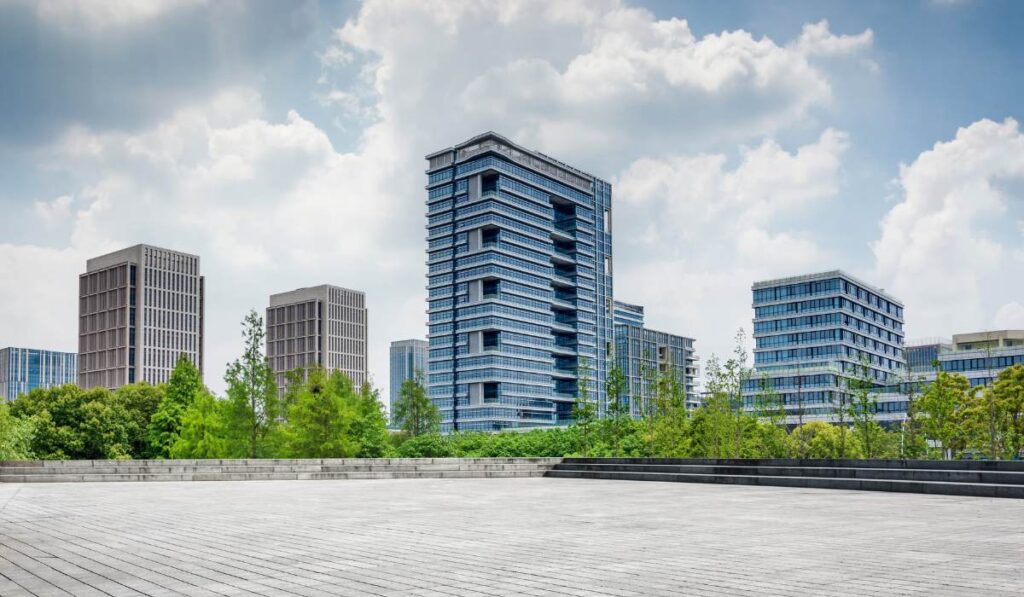
In recent years, more Australians have been rethinking where and how they want to live. Rising city property prices, longer commute times, and changing lifestyle priorities have led many homebuyers to look beyond metropolitan areas. As a result, growing regional locations have become increasingly attractive for those looking to build a new home.
Building in a developing regional area offers a unique combination of affordability, lifestyle, and long-term value. From greater design freedom to stronger community connections, the advantages go far beyond cost savings. This article explores why building a new home in a growing regional area can be a smart and rewarding decision.
The Shift Toward Regional Living
Regional towns and cities are no longer viewed as secondary options. Improved infrastructure, better healthcare, modern schools, and expanded employment opportunities have transformed many regional areas into thriving hubs.
Remote and hybrid work models have also made it easier for professionals to live outside capital cities without sacrificing career growth. This shift has fueled demand for new housing developments in regional locations, encouraging planned communities and long-term urban growth.
Greater Affordability Without Compromising Quality
One of the most significant benefits of building in a growing regional area is affordability. Land prices are typically lower compared to major cities, allowing buyers to secure larger blocks without exceeding their budget.
Lower land costs mean:
- More space for your home design
- Ability to include outdoor living areas
- Higher-quality materials and finishes within budget
Instead of compromising on size or features, buyers can often build a home that fully reflects their needs and lifestyle.
Freedom to Design Your Ideal Home
Building a new home gives you the opportunity to design a space tailored to your preferences. Unlike purchasing an established property, you are not restricted by outdated layouts or renovation limitations.
You can plan:
- Open-plan living areas
- Energy-efficient designs
- Modern kitchens and bathrooms
- Home offices and flexible spaces
This level of customization is especially valuable in regional areas, where block sizes allow for thoughtful design without the constraints common in dense urban environments.
Modern Infrastructure and Master-Planned Communities
Many growing regional areas feature master-planned residential communities designed with long-term livability in mind. These developments include well-planned road networks, green spaces, walking trails, and access to essential services.
Projects such as Limestone Estate offer residents the advantage of modern infrastructure combined with a strong sense of community. These estates are often strategically located near schools, healthcare facilities, and shopping areas, ensuring convenience without overcrowding.
Strong Community Connections
Regional living is known for fostering a sense of belonging. Smaller populations often mean stronger community ties, safer neighborhoods, and more opportunities to engage locally.
Building in a growing area allows you to become part of a community from the beginning. Families, retirees, and professionals often move into new developments at similar stages of life, creating natural opportunities for connection and shared experiences.
Long-Term Growth and Investment Potential
Growing regional areas often benefit from government investment, population growth, and infrastructure expansion. As demand increases, property values may rise steadily over time.
For buyers thinking beyond lifestyle benefits, understanding why invest in property in a regional market often comes down to long-term growth potential, lower entry costs, and strong rental demand.
New homes in developing areas also tend to attract tenants seeking modern features, energy efficiency, and proximity to essential services, making them appealing for future investment opportunities.
Lower Maintenance and Energy Efficiency
Newly built homes are constructed using modern materials and building standards, which means lower maintenance costs in the early years. Everything from roofing and plumbing to electrical systems is brand new, reducing the likelihood of unexpected repairs.
Additionally, new homes are designed to meet current energy efficiency regulations. Features such as better insulation, efficient heating and cooling systems, and sustainable building practices can significantly reduce ongoing utility costs.
Improved Lifestyle and Work-Life Balance
Regional living offers a pace of life that many people find refreshing. Shorter commute times, access to nature, and less congestion contribute to improved mental and physical well-being.
Building a home in a growing regional area allows residents to enjoy:
- More time with family
- Outdoor recreation opportunities
- Cleaner environments
- Reduced daily stress
These lifestyle benefits are a major reason why families and professionals are choosing regional locations for their future homes.
Support for Local Economies
When you build in a regional area, you contribute directly to the local economy. Construction projects support local trades, suppliers, and service providers, strengthening economic growth within the community.
As regional areas expand, increased demand for services leads to job creation and improved amenities, benefiting both residents and the broader region.
Future-Proofing Your Living Space
Building new allows you to plan for the future. Whether it’s designing for a growing family, incorporating accessibility features, or preparing for evolving work-from-home needs, a new home offers flexibility that established properties may not.
Regional developments often provide the space and planning freedom needed to adapt your home as your lifestyle changes over time.
Choosing the Right Location Matters
While the benefits of regional building are clear, choosing the right location is essential. Look for areas with:
- Planned infrastructure development
- Access to healthcare and education
- Employment growth
- Strong transport links
A growing regional area with a clear development vision offers the best balance of lifestyle and long-term value.
Final Thoughts
Building a new home in a growing regional area is about more than affordability—it’s about creating a lifestyle that aligns with modern priorities. From design freedom and energy efficiency to community connection and future growth, the advantages are substantial.
As regional areas continue to evolve, those who choose to build early often enjoy the greatest rewards. With thoughtful planning and the right location, building new can provide a comfortable home, a stronger sense of belonging, and long-term peace of mind.