
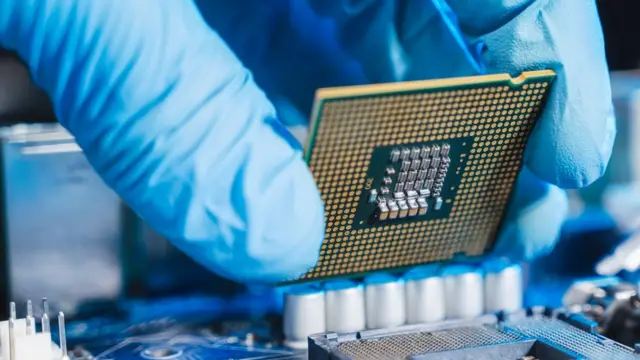
The global chip shortage was one of the most unexpected disruptions of the modern economy. From smartphones and cars to laptops and data centers, the shortage of chips brought entire industries to a slowdown. While many consumers saw delayed deliveries and rising prices, long-term investors witnessed something far more valuable — a real-world lesson in how critical the semiconductor ecosystem has become.
For patient investors, this crisis revealed where future growth lies, how supply chains impact stock performance, and why certain technology-driven sectors deserve long-term attention.
Understanding the Global Chip Shortage
The chip shortage began during the COVID-19 pandemic when lockdowns disrupted manufacturing across Asia, especially in chip-producing regions. At the same time, demand surged due to work-from-home trends, digital payments, cloud computing, electric vehicles, and AI applications.
What followed was a supply-demand imbalance that exposed how deeply the world depends on chips — not just tech companies, but automobile manufacturers, healthcare equipment makers, telecom providers, and even defense systems.
Lesson 1: Chips Are No Longer Just a Tech Story
Earlier, chips were considered relevant mainly to smartphones and computers. The shortage changed that perception completely.
Today, chips power:
-
Electric vehicles and charging infrastructure
-
Renewable energy systems
-
5G and telecom networks
-
AI and data centers
-
Medical devices and industrial automation
For long-term investors, this means the semiconductor sector is now a core economic pillar, not a niche technology theme.
Lesson 2: Supply Chain Strength Matters More Than Ever
The shortage highlighted how fragile global supply chains can be. Companies with diversified manufacturing, strong supplier relationships, and government backing managed the crisis better than others.
From an investing perspective, this teaches an important lesson:
When analyzing potential opportunities, long-term investors now look beyond revenue and profits — they also assess manufacturing capacity, raw material access, and geopolitical exposure.
Lesson 3: Government Policy Can Shape Market Winners
Governments worldwide responded to the crisis by announcing incentives and production-linked schemes to boost domestic chip manufacturing. India, in particular, started focusing on becoming a self-reliant electronics and chip manufacturing hub.
This policy shift created long-term optimism around Best Semiconductor Stocks in India, especially companies aligned with government initiatives, infrastructure development, and electronics manufacturing services.
For investors, it became clear that:
-
Policy-backed sectors can enjoy long-term tailwinds
-
Early-stage participation often offers better risk-reward potential
Lesson 4: Volatility Creates Opportunity for Patient Investors
During the shortage, many chip-related stocks saw sharp price swings due to production delays and short-term earnings pressure. While short-term traders reacted to news, long-term investors saw these dips as accumulation opportunities.
This period reinforced a key investing principle:
Investors who focused on long-term demand rather than quarterly results benefited the most.
Lesson 5: Demand Visibility Is Strong for the Next Decade
One major takeaway from the chip shortage is that demand is not slowing — it’s accelerating.
Megatrends like:
-
Artificial Intelligence
-
Internet of Things (IoT)
-
Electric mobility
-
Cloud computing
-
Smart cities
ensure that chip demand will continue growing for years. This strengthens the investment case for the Best Semiconductor Stocks, especially those positioned across multiple high-growth industries.
What Long-Term Investors Should Focus On Now
Instead of reacting to short-term supply challenges, long-term investors should evaluate companies based on:
-
Business scalability
-
Technology adoption trends
-
Government support and incentives
-
Financial stability and debt management
-
Role within the broader semiconductor value chain
India’s growing focus on electronics manufacturing makes Best Semiconductor Stocks in India particularly relevant for investors seeking exposure to future-ready industries.
Risk Factors to Keep in Mind
While the sector offers strong growth potential, investors should remain cautious about:
-
High capital expenditure requirements
-
Global competition
-
Technology obsolescence
-
Dependence on global demand cycles
A diversified and research-backed approach helps manage these risks effectively.
Final Thoughts
The global chip shortage was more than a supply crisis — it was a wake-up call. It showed investors which industries truly power the modern economy and which companies are positioned to benefit from long-term digital transformation.
For patient investors, the semiconductor space represents a blend of innovation, policy support, and structural demand growth. Those who learned from the shortage are now better equipped to identify long-term opportunities in this evolving sector.