

The need for accurate yet gentle breast diagnostic options is growing faster than ever. With increased awareness around early detection, more women are undergoing breast screening at younger ages and at earlier stages. At the same time, there is a clear preference shift toward non-surgical procedures. Many women want answers without the fear, downtime, or physical impact associated with open surgical biopsies.
This change reflects a broader evolution in women’s healthcare. From breast diagnostics to uterine conditions, modern medicine is embracing image-guided, minimally invasive solutions that focus on precision, safety, and faster recovery.
Why Breast Diagnosis Methods Are Rapidly Changing
Traditional open surgical biopsies are no longer the default option for many breast conditions. Advances in imaging now allow doctors to evaluate breast lesions with high accuracy, without large incisions or extended hospital stays, making the overall experience much easier for patients.
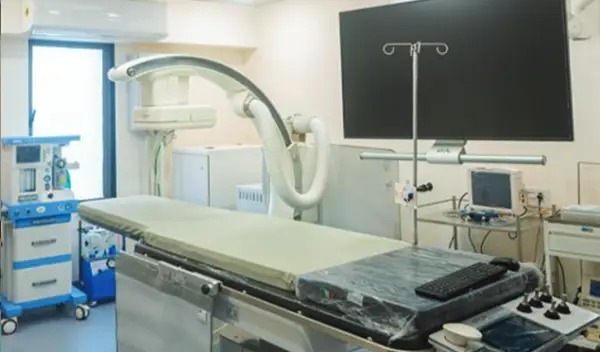
As early screening programs improve, smaller and suspicious lumps are being detected sooner than ever. This has led many women seeking breast fibroadenoma treatment in Ahmedabad to prefer diagnostic approaches that offer clear answers while allowing a quick return to normal daily life.
Today, precision is just as important as diagnosis itself. Modern breast care focuses on techniques that minimize scarring and protect cosmetic appearance, particularly when managing benign or early-stage findings, helping women feel confident throughout their treatment journey.
Understanding Vacuum Assisted Breast Biopsy (VABB)
Vacuum Assisted Breast Biopsy, or VABB, is a minimally invasive technique used to obtain breast tissue samples for diagnosis. It involves a specialized probe connected to a vacuum system that gently removes tissue through a very small incision.
The procedure is performed under imaging guidance, commonly using ultrasound or mammography. The procedure enables repeated sampling without multiple insertions.
Multiple tissue samples can be collected through a single insertion. In some cases, the entire lesion may be removed, making VABB both a diagnostic and, at times, a therapeutic option.
How VABB is Transforming Diagnosis and Treatment
VABB is performed very differently from a surgical biopsy. It uses a minimally invasive approach, unlike surgery, which involves a larger incision to remove tissue. In most cases, only local anesthesia is needed, and the procedure is completed on an outpatient basis.
Scarring is minimal, and cosmetic outcomes are generally better. Recovery time is short, allowing most women to resume normal activities quickly. This approach helps reduce both physical discomfort and emotional stress associated with breast diagnosis.
- Minimally Invasive vs Surgical: VABB uses a tiny probe to collect breast tissue through a small incision, unlike a surgical biopsy, which requires larger cuts. This reduces trauma and speeds up recovery.
- Anaesthesia Used: The procedure is done under local anesthesia, numbing only the target area. Patients stay awake and comfortable without the risks of general anesthesia.
- Hospital Stay Requirement: VABB is usually an outpatient procedure, meaning no overnight hospital stay. Women can go home the same day, making it convenient and stress-free.
- Scarring and Cosmetic Outcome: The small incision leaves minimal scarring, often barely visible over time. Breast appearance is preserved, unlike surgical procedures which may alter contour.
- Recovery Time: Most women recover quickly, experiencing only mild soreness or bruising for a few days. Daily activities can resume almost immediately.
- Minimising Physical and Emotional Stress: The gentle approach reduces pain and anxiety. Short procedure time and fast recovery help women feel more in control and less stressed.
- Outpatient Convenience: VABB is quick, often under an hour, with minimal preparation. Women can maintain their routines without major disruption.
Who May Be Advised to Choose VABB?
VABB is often suggested for women with small or unclear breast lesions detected during imaging tests. It allows doctors to collect sufficient tissue samples for accurate diagnosis without the need for immediate surgical intervention.
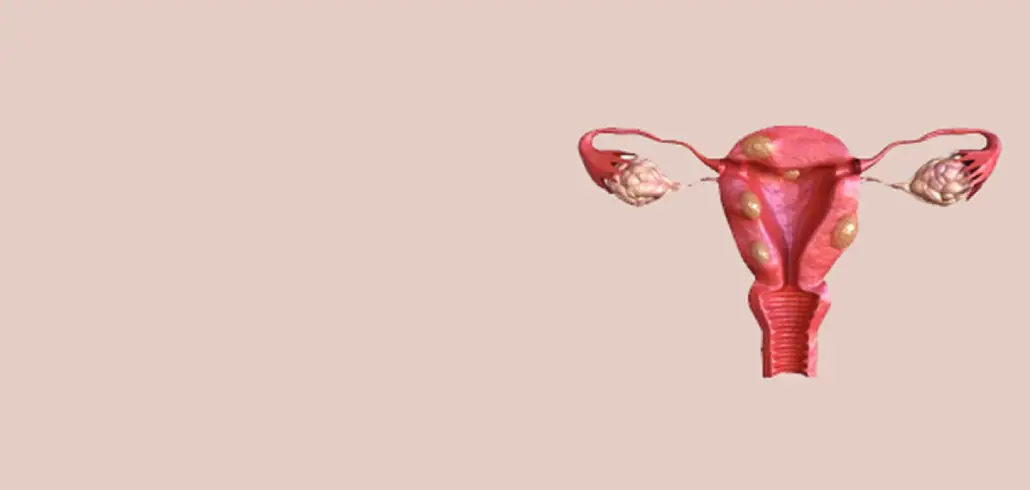
For women who wish to avoid surgery, VABB can be a reassuring option, especially when faster recovery and minimal scarring matter. This preference reflects a wider trend in women’s healthcare, where non-surgical treatments such as uterine fibroid embolisation in Ahmedabad are increasingly chosen for their safety and convenience.
That said, VABB is not suitable for every patient. The decision depends on factors like lesion size, location, and imaging results, all of which are carefully evaluated by a qualified medical professional.
Role of Imaging-Guided Procedures in Women’s Health
Imaging-guided procedures are playing an increasingly important role in modern women’s healthcare. Interventional radiology has expanded beyond diagnostics into treatment across multiple conditions.
By using precise imaging, doctors can target specific areas while minimizing impact on surrounding tissue. This improves accuracy and patient comfort.
Conditions such as breast lumps and uterine disorders are now commonly managed using these techniques, including breast fibroadenoma treatment. This trend reflects a shift toward evidence-based, patient-friendly care.
What to Expect Before, During, and After a VABB Procedure
Before the procedure, imaging studies are reviewed, and basic preparation instructions are shared to ensure comfort and safety.
During the biopsy, local anesthesia is administered, and imaging guidance is used to collect tissue samples accurately. The procedure is generally completed in a short amount of time.
After the procedure, mild tenderness or bruising may occur. Most women experience a quick recovery and resume daily activities within a day or two.
Commonly Asked Questions
1. Is VABB a surgical procedure?
No, VABB is minimally invasive. It uses a small probe to collect breast tissue under imaging guidance, so there’s no large incision or traditional surgery involved.
2. How long does the procedure take?
The procedure is usually quick, taking less than an hour from start to finish. Most patients can return home the same day.
3. Will there be a visible scar?
Scarring is minimal because the incision is very small. In most cases, any marks fade over time and are barely noticeable.
4. Is VABB reliable for diagnosis?
Yes, VABB is highly accurate. Real-time imaging ensures precise tissue sampling, making it a trusted method for diagnosing breast lesions.
Conclusion
Vacuum-assisted breast Biopsy has changed how breast diagnosis is approached, offering a reliable alternative to surgical biopsy. It provides accurate results while reducing physical trauma, recovery time, and emotional stress. Early and precise diagnosis is essential in breast health, and patient-friendly methods like VABB help encourage timely evaluation.
This reflects a larger movement toward minimally invasive care in women’s healthcare. As these approaches continue to evolve, Dev Hospital remains part of the healthcare ecosystem, supporting advanced, non-surgical diagnostic solutions focused on patient comfort and clinical precision.