
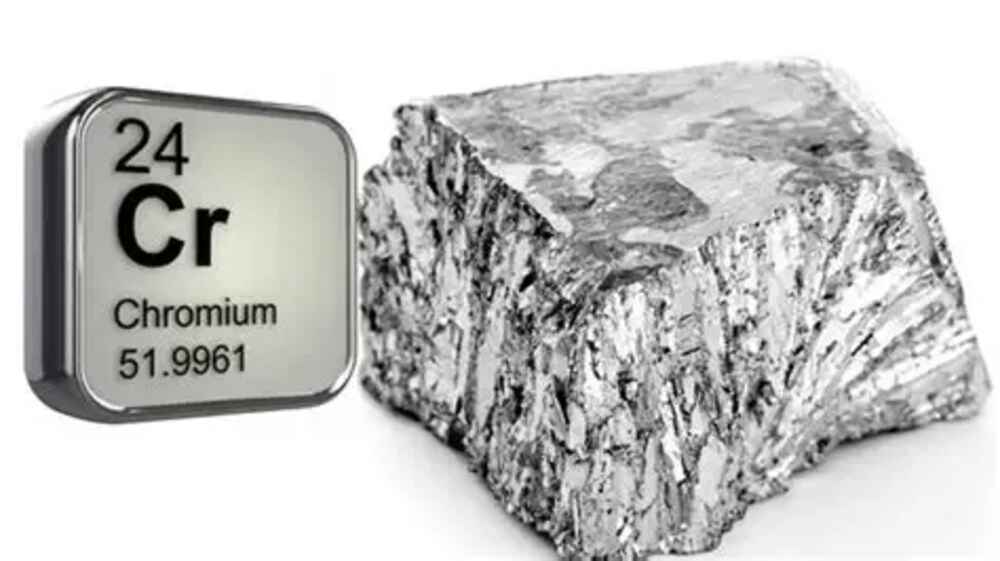
Chromium Metal plays a central role in modern materials engineering. It strengthens alloys, protects surfaces, and enables high-temperature performance in ways few other elements can match. For industries that rely on corrosion resistance, hardness, and stability, chromium is often a core ingredient rather than an optional one. This overview explains what makes Chromium Metal valuable, how it behaves, and where it is used across global markets.
Key Characteristics of Chromium Metal
High Corrosion Resistance
Chromium is best known for its ability to form a thin, stable oxide layer. This layer protects the underlying material from moisture, chemicals, and oxidation. It renews itself when damaged, which is why chromium enhances durability in demanding environments such as chemical plants, marine settings, and high-humidity regions.
Strength and Hardness
Pure Chromium Metal is extremely hard. When added to alloys, it improves tensile strength, wear resistance, and overall toughness. This makes chromium essential in tool steels, machine components, and industrial parts that face constant abrasion.
High Melting Point
Chromium’s melting point is around 1907°C. This thermal stability allows it to perform well in heat-intensive applications like turbine components, heating elements, and thermal barrier coatings.
Lustrous Appearance
Chromium has a reflective, silvery surface that holds its shine well. Although appearance is not its most important property, this characteristic supports its use in decorative plating and consumer-facing products.
Compatibility with Alloying
Chromium blends readily with iron, nickel, cobalt, and other metals. This versatility allows engineers to fine-tune performance in stainless steels, superalloys, and specialty materials used in aerospace and energy sectors.
Production and Forms of Chromium Metal
Chromium Metal is produced mainly through aluminothermic or electrolytic processes. The result can be flakes, lumps, briquettes, granules, or high-purity chromium tailored for specific industries.
Aluminothermic chromium suits most stainless steel and alloy applications.
Electrolytic chromium offers higher purity for aerospace and advanced manufacturing.
Many suppliers also provide custom sizing or purity controls to ensure consistent melting behavior and predictable metallurgical performance.
Major Applications of Chromium Metal
Stainless Steel Manufacturing
More than half of global chromium production ends up in stainless steel. Adding roughly 10 to 30 percent chromium gives steel its signature corrosion resistance. This is essential for food processing equipment, medical tools, building facades, pipelines, and transport containers.
In stainless steel:
Chromium improves resistance to rust.
It stabilizes the microstructure.
It enhances strength without making the steel brittle.
As global construction and infrastructure projects grow, demand for chromium-based stainless steels continues to rise.
Superalloys and High-Temperature Materials
Nickel- and cobalt-based superalloys depend on chromium for oxidation resistance. These materials must withstand extreme heat and mechanical stress. Applications include:
- Gas turbine blades
- Jet engine components
- Industrial furnaces
- Power generation equipment
Even a small percentage of high-purity Chromium Metal can improve a superalloy’s life cycle, reducing maintenance costs for energy and aerospace operators.
Hard Facing and Wear Protection
Chromium carbide is widely used to protect industrial surfaces from abrasion. It appears in mining tools, cutting edges, drilling parts, and heavy-duty machinery. Chromium helps equipment stay functional longer, even under constant friction and impact.
Plating and Surface Finishing
Chromium plating creates a hard, reflective protective layer on metals and plastics. It extends the lifespan of automotive parts, industrial rollers, valves, and consumer products. Hard chromium plating, in particular, increases wear resistance in hydraulic cylinders and machining tools.
Chemical and Metallurgical Uses
Chromium compounds help produce pigments, catalysts, and coatings. Although these applications are smaller than stainless steel or superalloys, they remain important to specialized manufacturers.
Additive Manufacturing and Powder Metallurgy
With the growth of metal 3D printing, chromium-containing powders are gaining traction. Chromium improves the final product’s stability and resistance to oxidation during printing. Many manufacturers now request precise chromium content in powders for aerospace and industrial additive processes.
Market Trends and Considerations
Rising Demand for High-Purity Chromium
Aerospace and energy industries increasingly prefer high-purity chromium because it offers tighter control of alloy properties. This trend encourages suppliers to refine their production methods and maintain strict quality assurance.
Environmental Expectations
Producers are improving waste management and energy efficiency. Many customers now request traceability, environmental certifications, and consistent purity documentation.
Strategic Supply and Global Distribution
Chromium supply depends largely on global mining of chromite ore. Manufacturers often work with suppliers that provide stable long-term availability, technical support, and product customization to reduce production risks.
Practical Advice for Buyers and Engineers
Match purity with application. Superalloys benefit from high-purity chromium, while general alloying can use standard grades.
Consider particle size. The melting behavior of chromium varies with granule or briquette size. Choose the form that fits your furnace or casting process.
Discuss custom specifications early. Many suppliers can adjust purity, packaging, or sizing for better process efficiency.
Review technical data sheets. Reliable suppliers provide chemical analysis, mechanical properties, and recommended handling practices.
Conclusion
Chromium Metal is foundational to modern metallurgy. Its corrosion resistance, hardness, and high-temperature stability support industries ranging from construction to aerospace. As technologies evolve, chromium’s role in stainless steel, superalloys, and advanced surface coatings continues to expand. For organizations that need reliable, high-performance materials, understanding the characteristics and applications of chromium is key to choosing the right products and ensuring long-term performance.
Post Article by: toko baut mur – tokohasil.com