
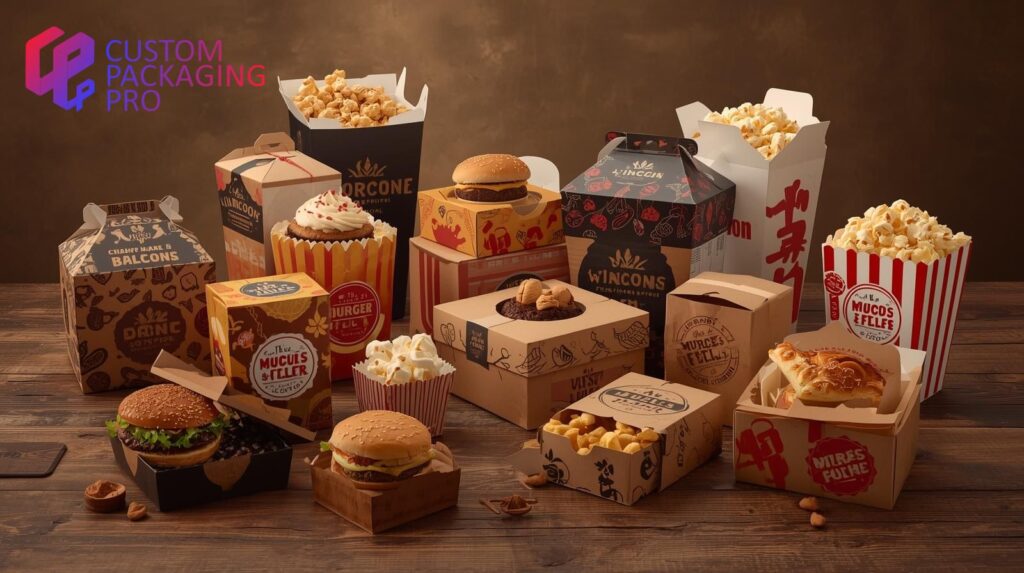
The global food industry is changing rapidly, and packaging is now one of its most critical components. In 2026, Food Boxes are no longer limited to carrying meals or protecting edible items. They play a direct role in food safety, brand credibility, shelf life, customer experience, and regulatory compliance. As food delivery, takeaway services, and packaged food consumption continue to grow, the demand for reliable and well-designed food packaging has reached a new level.
Restaurants, bakeries, cafés, cloud kitchens, food manufacturers, and retail brands are all rethinking how food boxes are designed and produced. Customers today judge food quality not only by taste but also by presentation, hygiene, and packaging reliability. Poor packaging can damage brand trust instantly, while well-structured food boxes help businesses stand out in competitive markets.
Why Food Packaging Matters More Than Ever in 2026
In 2026, food packaging is closely linked with health awareness, sustainability, and convenience. Customers expect food boxes to keep items fresh, prevent leakage, maintain temperature, and remain safe during handling and delivery. At the same time, packaging must comply with food safety standards and local regulations.
Food boxes also influence buying decisions in retail environments. Whether it is cereal packaging, bakery boxes, takeaway containers, or frozen food cartons, packaging design affects shelf visibility and perceived value. Brands investing in high-quality food packaging gain better acceptance from retailers and food distributors.
Another major factor shaping food packaging is logistics. Accurate sizing based on length, width, and height helps businesses reduce wasted space, improve stacking, and lower transportation costs. Oversized food boxes increase shipping expenses and material waste, which directly impacts profitability.
Material Choices Defining Food Boxes
Material selection is one of the most important decisions in food packaging. In 2026, businesses prefer materials that are safe for direct or indirect food contact, durable during transit, and environmentally responsible. Cardboard food boxes, kraft packaging, corrugated boxes, and coated paperboard are widely used across the food sector.
Grease-resistant and moisture-protected coatings are especially important for hot food, bakery items, burgers, pizza, and fried products. For dry foods such as cereals, snacks, and tea packaging, lightweight cardboard boxes remain a practical and cost-effective option.
Choosing the right material also depends on product weight and portion size. Proper alignment between material strength and box dimensions ensures food remains intact without unnecessary thickness or cost.
Common Types of Food Boxes Used by Businesses
Different food products require different packaging styles. Below is a brief overview of commonly used food boxes in 2026 and their typical applications.
| Food Box Type | Common Use |
|---|---|
| Bakery Boxes | Cakes, pastries, cookies, brownies |
| Takeaway Food Boxes | Burgers, noodles, rice meals |
| Cereal Boxes | Breakfast cereals and dry snacks |
| Pizza Boxes | Hot food delivery and takeaway |
| Frozen Food Boxes | Ready meals and frozen products |
This variety shows how food packaging must be tailored to product type rather than relying on generic box solutions.
Food Safety and Hygiene Expectations
Food safety remains a top priority in 2026. Customers are more conscious about hygiene than ever before, and packaging plays a major role in maintaining cleanliness. Food boxes must prevent contamination, reduce exposure to air, and protect food from external handling.
Clear labeling is also essential. Ingredients, expiry dates, storage instructions, and allergen information must be printed clearly and remain readable throughout the product’s shelf life. Custom food packaging allows brands to control layout and ensure compliance with food labeling standards.
Accurate length width and height also help maintain internal spacing, reducing direct contact between food items and box walls when required.
Sustainability and Eco-Friendly Food Packaging
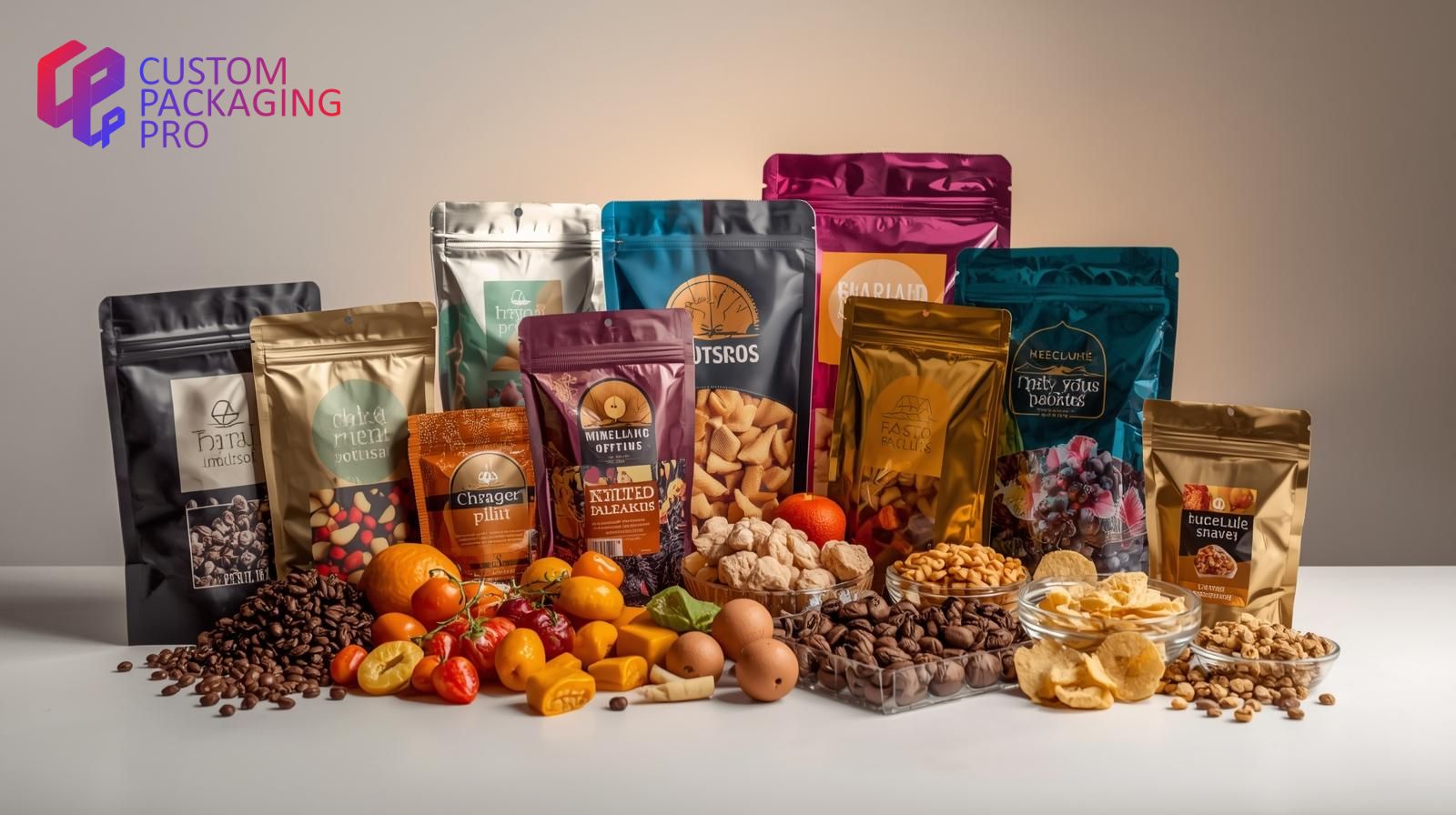
Sustainability is no longer optional in food packaging. In 2026, many consumers actively avoid brands that use excessive plastic or non-recyclable food boxes. As a result, businesses are shifting toward kraft food boxes, recyclable cardboard packaging, and minimal-print designs.
Eco-friendly food boxes not only reduce environmental impact but also enhance brand reputation. Customers associate sustainable custom packaging with responsible business practices, especially in food and beverage industries.
Reducing box size by optimizing length, width, and height is another effective sustainability measure. Smaller, well-fitted food boxes use fewer raw materials and reduce carbon emissions during shipping.
Design and Branding in Food Boxes
Food packaging design in 2026 focuses on clarity and trust. Customers want to quickly understand what the product is, how it should be consumed, and why it is safe. Clean layouts, readable fonts, and balanced color schemes are preferred over crowded designs.
Branding elements such as logos, taglines, and product names help create recognition, especially for retail food packaging. For takeaway and delivery businesses, consistent food box branding improves recall and customer loyalty.
Well-designed food boxes also enhance unboxing and eating experiences. A box that opens easily, holds food securely, and maintains structure adds value to the overall service.
Benefits of Using Custom Food Packaging
Here are a few practical advantages businesses gain by using custom food boxes instead of generic packaging:
-
Improved food safety and hygiene
-
Better brand recognition and presentation
-
Reduced material waste through accurate sizing
-
Lower shipping and storage costs
-
Higher customer satisfaction and repeat orders
These benefits make food packaging a long-term investment rather than an operational expense.
Preparing for Food Packaging Trends Beyond 2026
Looking ahead, food packaging will continue to evolve with technology and consumer behavior. Smart labels, QR codes for ingredient transparency, and improved barrier materials will become more common. Businesses that adapt early will be better positioned to meet future regulations and customer expectations.
Packaging strategies built around precision, sustainability, and functionality will dominate the food industry. Brands that ignore these changes risk losing relevance in a highly competitive market.
Last Words
As the food industry moves forward, food boxes are becoming a vital part of business success rather than just a packaging requirement. From safety and sustainability to branding and logistics, every detail matters. With the right approach and support from a reliable packaging provider like Custom Packaging Pro UK, businesses can adopt food packaging solutions that meet modern expectations while maintaining quality, efficiency, and customer trust.
FAQs
What are food boxes used for?
Food boxes are used to store, protect, transport, and present food items safely for retail and takeaway purposes.
Why is food packaging important in 2026?
Food packaging ensures hygiene, extends shelf life, improves branding, and meets safety regulations.
How do length, width, and height affect food boxes?
Correct dimensions reduce waste, prevent food movement, and lower shipping costs.
Are eco-friendly food boxes necessary?
Yes, customers increasingly prefer recyclable and sustainable food packaging options.
Can food boxes be customized for branding?
Yes, custom food packaging allows logo printing, labeling, and design customization.