

Knee pain can be frustrating, affecting daily activities like climbing stairs, walking, or even standing for long periods. While many assume surgery is the only solution, that’s not always the case. A variety of non-surgical treatments exist that can reduce pain, improve mobility, and strengthen the knee joint. These approaches are safe, evidence-based, and tailored to individual needs. In this blog, we’ll outline effective strategies to manage knee discomfort without undergoing knee replacement, helping you move more comfortably every day.
Physical Therapy, Especially Quadriceps Strengthening
Strengthening the quadriceps, the large muscles at the front of your thigh, is crucial for knee support. Well-conditioned quadriceps absorb shock, stabilize the knee joint, and reduce strain on cartilage.
| Exercise | Frequency | Benefits |
| Straight Leg Raises | 10–15 reps, 2–3 sets/day | Builds quadriceps without stressing the knee |
| Wall Squats | 10–12 reps, 2–3 sets/day | Strengthens thighs and improves balance |
| Step-Ups | 10 reps per leg, 2–3 sets/day | Enhances functional strength for daily activities |
Consistent quadriceps training under the guidance of a physiotherapist can significantly improve knee stability. If needed, an orthopaedic surgeon can recommend a tailored program that complements non-surgical interventions.
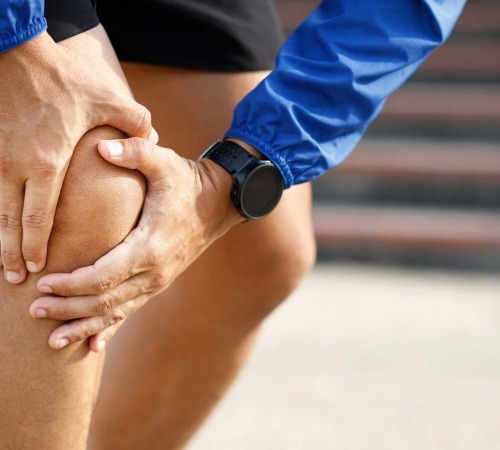
Lifestyle Modifications to Reduce Knee Pain
Weight Management
Maintaining a healthy weight is one of the simplest yet most effective ways to reduce knee stress. Every kilogram of excess weight adds about 4 kilograms of pressure on your knees when walking. Practical tips include:
- Adopt a balanced diet rich in vegetables, lean proteins, and whole grains.
- Incorporating regular walking or gentle physical activity.
- Setting realistic goals and tracking progress to maintain motivation.
Low-Impact Exercises
Low-impact exercises reduce joint stress while promoting muscle strength and flexibility. Some excellent options are:
- Swimming: Water supports your body weight, reducing knee load.
- Cycling: Strengthens leg muscles and improves cardiovascular health.
- Yoga & Stretching: Enhances flexibility and relieves stiffness.
These activities not only protect the knees but also improve overall mobility, which is particularly beneficial for those hesitant about surgery.
Posture and Ergonomics
Correct posture while standing, walking, or sitting can significantly reduce knee discomfort. Tips include:
- Keeping knees slightly bent when standing for long periods.
- Using supportive footwear that absorbs shock.
- Avoid prolonged crossing of legs while sitting.
Small adjustments in daily habits can prevent further joint damage and aid long-term knee health.
Non-Surgical Medical Treatments for Knee Pain
Non-surgical medical treatments for knee pain include targeted therapies and interventions that relieve discomfort without surgery. These can involve medications, injections, and guided physical therapy to improve joint function and mobility.
Physical Therapy
Physical therapy is a cornerstone of non-surgical knee care. Targeted exercises, guided by trained physiotherapists, strengthen surrounding muscles, improve mobility, and reduce pain. Sessions may include:
- Manual therapy techniques to enhance joint movement.
- Resistance training tailored to knee strength.
- Balance and stability exercises to prevent falls.
Regular follow-ups ensure exercises are performed correctly, maximising results. Many patients consult the knee replacement best doctor in Ahmedabad for an initial assessment before starting therapy.
Medications and Supplements
Over-the-counter medications such as acetaminophen or NSAIDs (like ibuprofen) can provide temporary relief from pain and inflammation. Additionally, nutritional supplements may support joint health:
- Glucosamine: Supports cartilage repair.
- Chondroitin: Helps maintain cartilage elasticity.
- Omega-3 fatty acids: Reduce inflammation naturally.
It’s important to consult a healthcare professional before starting supplements, especially for patients with other health conditions.
Injections and Advanced Therapies
For persistent knee pain, injections can offer relief without surgery:
- Corticosteroid injections: Reduce inflammation in the joint.
- Hyaluronic acid injections: Lubricate the joint and improve movement.
- PRP (Platelet-Rich Plasma) therapy: Stimulates natural healing using your own blood components.
These treatments are often recommended in combination with physiotherapy for optimal results. An orthopaedic surgeon can guide patients through the most suitable options.
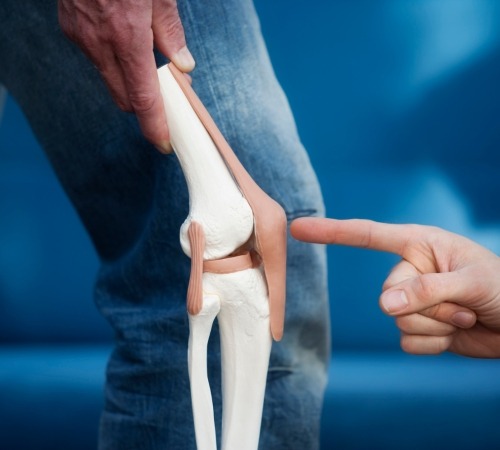
Why Choose Non-Surgical Knee Pain Treatment?
Non-surgical knee pain treatments offer effective relief with minimal risk and downtime compared to surgery. They focus on improving joint function, strengthening muscles, and enhancing overall mobility naturally.
- Lower risk compared to surgery.
- Minimal downtime, allowing daily routines to continue.
- Focused on improving long-term joint health.
- Customised to each patient’s specific pain patterns and mobility challenges.
Many patients achieve significant improvement, often avoiding the need for knee replacement altogether.
What to Do Next for Non-Surgical Medical Treatments
After identifying suitable non-surgical options, start with a specialist consultation to assess your knee condition. Then follow a personalized plan combining therapy, lifestyle changes, and medical treatments for effective pain relief.
- Consult a Specialist: Begin with a consultation with an experienced orthopaedic surgeon in Ahmedabad to evaluate the knee condition.
- Start a Physical Therapy Program: A physiotherapist can create a personalized plan targeting your specific needs.
- Adopt Lifestyle Changes: Incorporate low-impact exercise, posture adjustments, and weight management.
- Explore Medical Options: Medications, supplements, and advanced injections can be added if necessary.
- Monitor Progress: Regular follow-ups ensure your knee improves steadily and safely.
A knee replacement best doctor in Ahmedabad can provide guidance and help coordinate these approaches for the best outcomes.
FAQ
Q1: Can knee pain improve without surgery?
Yes, many patients experience substantial relief with physical therapy, lifestyle changes, and medical treatments.
Q2: How long before I see improvement?
Improvement may be noticed within weeks, but consistent adherence to therapy and exercises is key for long-term benefits.
Q3: Which exercises are best for knee pain?
Low-impact activities like swimming, cycling, yoga, and targeted quadriceps strengthening exercises are excellent choices. They strengthen supporting muscles and improve flexibility without stressing the joint.
Q4: Should I combine treatments?
A combination of physiotherapy, lifestyle changes, and targeted medical treatments often yields the best results.
Conclusion
Non-surgical knee pain solutions provide safe and effective ways to relieve discomfort while improving joint mobility. Approaches such as strengthening exercises, lifestyle adjustments, physical therapy, medications, and targeted injections work together to reduce pain and support overall knee health. Many patients achieve noticeable improvement without ever needing knee replacement surgery.
For expert guidance and personalized care, Dr. Meet Mehta is a trusted name in knee pain management in Ahmedabad. With the right plan and consistent effort, knee pain doesn’t have to limit your daily activities or affect your quality of life.