
Oil spills are one of the most common and costly challenges faced by industrial facilities, workshops, warehouses, marine environments, and construction sites. Whether it’s a small hydraulic oil leak near machinery or a larger fuel spill around storage areas, uncontrolled oil can lead to safety hazards, environmental damage, and regulatory penalties.
This is where oil absorbent socks play a critical role.
Oil absorbent socks are a simple yet highly effective spill control solution designed to contain, control, and absorb oil-based liquids before they spread. In this detailed guide, we’ll cover everything you need to know about oil absorbent socks, including how they work, where they are used, their benefits, and how to choose the right type for your application.
What Are Oil Absorbent Socks?
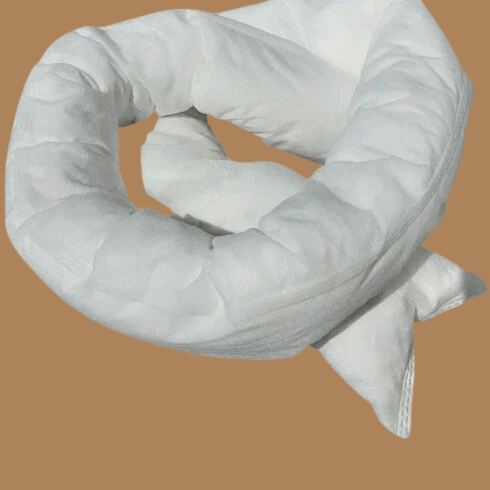
Oil absorbent socks are flexible, tube-shaped absorbent products filled with high-capacity absorbent material. They are specifically engineered to absorb oil and petroleum-based liquids while repelling water.
Their sock-like design allows them to be placed around machinery, drains, spill perimeters, and tight spaces where pads or rolls may not be effective.
Unlike general absorbents, oil absorbent socks selectively absorb:
-
Hydraulic oil
-
Engine oil
-
Diesel
-
Petrol
-
Lubricants
-
Fuel spills
They do not absorb water, making them ideal for outdoor use, rainy environments, and marine applications.
How Oil Absorbent Socks Work
Oil absorbent socks work through a combination of capillary action and hydrophobic fibers.
-
The outer layer allows oil to pass through quickly
-
The internal absorbent filling traps and retains oil
-
Water is repelled, ensuring maximum oil absorption efficiency
Once placed, the sock immediately begins absorbing oil and preventing further spread. This makes them especially useful for spill containment, not just cleanup.
Key Benefits of Oil Absorbent Socks
1. Effective Spill Containment
Oil absorbent socks act as a physical barrier, stopping oil from spreading across floors, drains, or outdoor surfaces.
2. Oil-Only Absorption
They absorb oil without soaking up water, which means:
-
Higher absorption capacity
-
Less waste
-
Lower replacement frequency
3. Flexible and Easy to Use
Their flexible shape allows them to:
-
Wrap around machinery
-
Fit into corners
-
Line walkways
-
Seal drain openings
No tools or training are required for deployment.
4. Improved Workplace Safety
Oil spills create slip hazards. Oil absorbent socks help reduce:
-
Slips and falls
-
Fire risks
-
Equipment damage
5. Cost-Effective Spill Control
By preventing oil from spreading, these socks reduce:
-
Cleanup time
-
Disposal costs
-
Environmental penalties
Common Applications of Oil Absorbent Socks
Oil absorbent socks are widely used across multiple industries due to their versatility.
Industrial Facilities & Manufacturing Plants
-
Around hydraulic machines
-
Under pumps and valves
-
Near oil storage tanks
Automotive Workshops & Garages
-
Under engines during maintenance
-
Around oil filters
-
Along service bays
Marine & Offshore Operations
-
On docks and harbors
-
Around fuel transfer points
-
On vessels and boats
Warehouses & Logistics Centers
-
Near loading docks
-
Under leaking drums
-
Along spill-prone pathways
Construction & Heavy Equipment Sites
-
Around generators
-
Fuel storage areas
-
Temporary spill control
Oil Absorbent Socks vs Oil Absorbent Pads
While both products are used for spill control, they serve different purposes.
Oil Absorbent Socks
-
Best for containment
-
Ideal for barriers and edges
-
Prevent spills from spreading
Oil Absorbent Pads
-
Best for surface cleanup
-
Ideal for wiping and absorbing existing spills
In many industrial settings, both are used together for a complete spill management solution.
Materials Used in Oil Absorbent Socks
Most oil absorbent socks are made using:
-
Melt-blown polypropylene fibers
-
High-absorption synthetic fill
-
Durable outer mesh or fabric
These materials ensure:
-
Fast oil absorption
-
High retention capacity
-
Resistance to tearing and abrasion
Choosing the Right Oil Absorbent Socks
When selecting oil absorbent socks, consider the following factors:
1. Absorption Capacity
Choose socks based on:
-
Size of potential spills
-
Frequency of oil leaks
Higher-capacity socks reduce replacement costs.
2. Size and Length
Oil absorbent socks come in various lengths and diameters. Longer socks are ideal for:
-
Large machinery
-
Perimeter containment
Shorter socks work well in tight spaces.
3. Environment
For outdoor or marine use, ensure the socks are:
-
UV resistant
-
Water repellent
-
Durable under harsh conditions
4. Compliance and Safety Standards
Many industries require spill control products to meet environmental and safety regulations. Always choose products that support compliance.
Storage and Disposal Guidelines
Storage
-
Store in a dry, accessible location
-
Keep near spill-prone areas
-
Include in spill response kits
Disposal
Once fully saturated, oil absorbent socks must be disposed of according to:
-
Local environmental regulations
-
Hazardous waste guidelines
Some industries may require specialized disposal methods depending on the type of oil absorbed.
Why Oil Absorbent Socks Are Essential for Spill Preparedness
Spill preparedness is no longer optional. Regulatory bodies and safety standards demand proactive spill control measures. Oil absorbent socks provide a simple, fast, and effective solution that helps businesses:
-
Minimize downtime
-
Protect workers
-
Prevent environmental damage
-
Maintain regulatory compliance
Their ease of use and reliability make them a must-have item in every industrial spill response plan.
Final Thoughts
Oil absorbent socks are a critical component of modern spill control strategies. Their ability to absorb oil while repelling water makes them ideal for industrial, automotive, marine, and construction environments. By preventing spills from spreading, they reduce safety risks, cleanup costs, and environmental impact.
Whether you are managing a factory floor, operating a marine facility, or maintaining heavy equipment, investing in high-quality oil absorbent socks is a smart and responsible choice.