
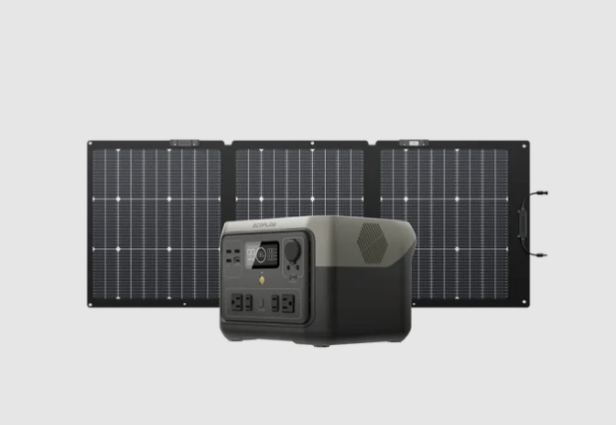
Portable power systems continue to grow in popularity, especially among outdoor travelers, homeowners preparing for emergencies, and RV owners searching for a reliable battery for RV camper setups. At the center of every solar generator’s performance is the type of solar panel it uses. Whether you’re exploring options for off-grid living or supplemental power, understanding the difference between monocrystalline and polycrystalline panels can help you choose the most efficient, long-lasting solar generators for your needs.
What Defines Monocrystalline Solar Panels?
Monocrystalline panels are made from a single, uniform crystal structure.
High Efficiency and Premium Output
These panels typically offer the highest efficiency rates—often between 17% and 22%.
Why This Matters for Solar Generators
With higher efficiency, monocrystalline panels convert more sunlight into usable energy, meaning your solar generators charge faster and perform better in limited sunlight conditions.
Advantages of Monocrystalline Panels
Monocrystalline technology has several benefits that make it ideal for compact solar power systems.
Excellent Low-Light Performance
Even on cloudy days or during early morning/late afternoon, these panels maintain strong output.
Perfect for Outdoor Use
Campers, off-grid travelers, and RV users benefit from consistent power when their generator acts as a primary or backup battery for RV camper systems.
Understanding Polycrystalline Solar Panels
Polycrystalline panels are made from multiple silicon crystals melted together.
Moderate Efficiency with a More Economical Cost
These panels usually fall in the 13%–17% efficiency range.
A Budget-Friendly Option
For users who don’t need the fastest charging speeds, polycrystalline panels make solar generators more affordable without compromising basic functionality.
Advantages of Polycrystalline Panels
Lower Heat Sensitivity
Polycrystalline panels absorb less heat, which can keep energy output stable in extremely hot climates.
Reliable for Light to Moderate Power Use
They work well for running smaller devices, lights, fans, and occasional power needs during outdoor activities.
Side-By-Side Comparison: Monocrystalline vs. Polycrystalline
Choosing the right panel type depends on your energy needs and usage environment.
Efficiency
- Monocrystalline: High efficiency, charges faster
- Polycrystalline: Medium efficiency, slower charging
Durability
- Monocrystalline: Longer lifespan and better performance over time
- Polycrystalline: Durable but slightly less resilient
Cost
- Monocrystalline: Higher price
- Polycrystalline: Budget-friendly
Weight and Size
- Monocrystalline: More power in a smaller footprint
- Polycrystalline: Larger panels for the same wattage
Why This Matters for Portability
When choosing solar generators for travel, compact panels are easier to pack and set up, giving monocrystalline panels a major advantage.
Performance in Real Outdoor Scenarios
Solar generators are often used in unpredictable environments.
Shade and Cloud Coverage
- Monocrystalline handles partial shade well.
- Polycrystalline loses more efficiency when not in full sunlight.
Temperature Extremes
- Monocrystalline performs well in cold climates.
- Polycrystalline may perform more consistently on extremely hot days.
Matching Panel Type to Your Lifestyle
Frequent travelers with high energy needs often lean toward monocrystalline, while occasional campers may find polycrystalline perfectly suitable.
Tips for Choosing the Best Solar Generator Setup
Panel type is just one factor—your full power system matters too.
Consider:
- Wattage requirements for your devices
- Battery capacity (lithium recommended)
- Weight and portability
- Charging options (solar, AC, car port)
- Climate and sun exposure in your region
Solar Generators for RV Users
Pairing an efficient generator with a strong battery for an RV camper ensures stable power for lighting, mobile devices, cooling systems, and essential appliances.
Conclusion
Choosing between monocrystalline and polycrystalline panels comes down to efficiency needs, budget, and intended use. Monocrystalline panels offer higher output, stronger low-light performance, and a more compact form—ideal for demanding or travel-heavy applications. Polycrystalline panels, on the other hand, offer solid performance at a lower cost, making them suitable for lighter power needs. When selecting solar generators, understanding these differences helps you build a power setup that supports everything from home backup to outdoor adventures or RV living across the USA.