
Introduction to the Design & Build Concept
The construction landscape in the United Kingdom has evolved significantly over the past decade, with homeowners and commercial clients increasingly seeking efficient, streamlined, and high-quality construction solutions. One approach that has gained immense popularity is the design and build method, a model where a single company manages both the design and construction aspects of a project. This integrated approach eliminates the traditional separation between architects, contractors, and subcontractors, allowing for smoother communication, faster project completion, and often, reduced costs. For anyone considering a renovation, loft conversion, or full-scale new build, understanding the complete design and build process is essential. Builders in Oxford, for instance, are increasingly adopting this approach to meet client expectations while maintaining high standards of craftsmanship and efficiency.
Initial Client Brief and Consultation
Every successful design and build project begins with a thorough client consultation. During this stage, the construction company engages with the client to understand their vision, goals, and constraints. This includes discussions about the type of property, budget limitations, desired aesthetic outcomes, and functional requirements. The initial brief also considers the client’s long-term plans for the property, such as whether the renovation is aimed at increasing resale value, enhancing livability, or incorporating modern sustainable features. Builders in Oxford often emphasize the importance of this stage, as it sets the foundation for all subsequent planning and ensures that expectations are aligned from the outset. By capturing a detailed brief, the design team can craft a solution that balances creativity, practicality, and budgetary considerations.
Site Analysis and Feasibility Studies
Once the client brief is established, the next step involves a comprehensive site analysis. This phase evaluates the structural integrity of the existing property, access points for construction, and any potential limitations such as planning restrictions, listed building status, or conservation area regulations. Builders in Oxford and across the UK must also consider local building codes and regulations to ensure compliance throughout the project. Feasibility studies are often conducted to assess whether the client’s vision can realistically be achieved within the proposed budget and timeframe. This analysis may include soil testing for extensions or basements, structural surveys, and consultations with local planning authorities. The outcomes of the feasibility study help refine the project scope, identify potential risks, and provide the client with a clear understanding of what is achievable.
Conceptual Design and Architectural Planning
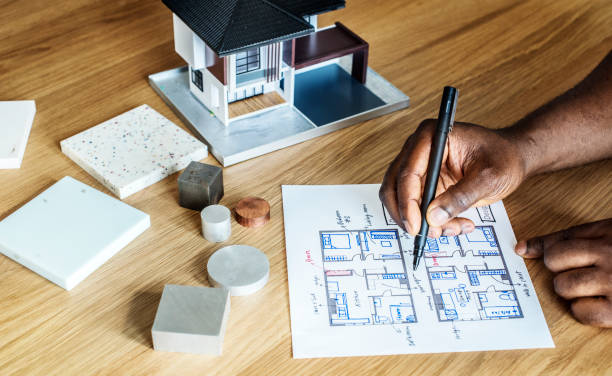
With a clear brief and feasibility study in place, the design phase begins. This stage is crucial as it transforms the client’s vision into tangible plans and drawings. Conceptual design often starts with sketches and mood boards that reflect the desired style, layout, and material palette. Architects and designers work closely with clients to ensure that the aesthetic vision aligns with functional requirements. In the UK, where heritage and style regulations can be stringent, builders in Oxford often collaborate with planning consultants to create designs that respect local character while introducing modern elements. Detailed architectural planning includes floor plans, elevations, and 3D visualizations, allowing clients to visualize the final outcome and make informed decisions. This collaborative approach ensures that the project not only meets the client’s expectations but also adheres to regulatory standards and planning approvals.
Cost Estimation and Budget Planning
Budgeting is a critical component of the design and build process. Once preliminary designs are established, cost estimation provides a clear financial framework for the project. This involves calculating material costs, labor, design fees, and contingencies for unexpected expenses. Builders in Oxford are adept at providing transparent cost breakdowns, enabling clients to make informed choices about where to allocate resources. During this phase, clients may decide to adjust certain design elements to stay within budget, such as choosing alternative materials or modifying layouts. Effective budget planning ensures that the project can progress without financial surprises, fostering trust between the client and the construction team.
Planning Permission and Regulatory Approvals
In the UK, planning permission and building regulations approvals are essential steps in any construction project. Depending on the scope of work, obtaining consent may involve submitting detailed plans to the local council and addressing any concerns related to safety, environmental impact, and neighbourhood aesthetics. Builders in Oxford often guide clients through this complex process, leveraging their knowledge of local planning policies and relationships with authorities. Securing approvals can be time-consuming, but it is vital for ensuring that the project complies with all legal requirements. Proper handling of this stage prevents delays, fines, or even the need to alter completed work.
Detailed Design and Technical Specifications
Once planning approvals are secured, the project moves into the detailed design stage. At this point, every aspect of the build is specified, from structural components to finishes, fixtures, and fittings. Technical drawings, schedules, and specifications are prepared to guide the construction team precisely. Builders in Oxford often use modern digital tools and Building Information Modelling (BIM) software to coordinate designs, anticipate potential clashes, and streamline construction workflows. Detailed planning reduces errors on site, improves efficiency, and ensures that the finished project aligns perfectly with the client’s expectations.
Construction and Project Management
With designs finalized and approvals in place, the construction phase begins. This is where the vision materializes into a physical structure. Builders in Oxford take a hands-on approach to project management, coordinating subcontractors, sourcing materials, and maintaining strict quality control throughout the build. Effective project management involves monitoring timelines, budgets, and safety standards, while keeping clients informed of progress. Regular site inspections, progress reports, and communication meetings ensure transparency and allow for timely decisions on any adjustments. The design and build model shines during this stage, as the integrated approach enables swift resolution of any design-related issues without the delays typically seen in traditional construction methods.
Quality Control and Safety Compliance
Throughout the construction process, quality control and safety compliance are paramount. UK regulations require strict adherence to building codes, health and safety standards, and industry best practices. Builders in Oxford implement rigorous inspections, testing, and supervision to ensure that every element of the build meets high-quality standards. Safety protocols protect workers on site and safeguard the property from damage or structural failures. By prioritizing quality and safety, construction teams deliver durable, reliable, and aesthetically pleasing results that stand the test of time.
Handover and Client Walkthrough
Upon completion of construction, the final phase is the handover process. This involves a thorough client walkthrough to inspect the property, ensure all specifications have been met, and address any outstanding issues. Builders in Oxford often provide detailed manuals, maintenance guidance, and warranty information to support the client in maintaining the property. Handover marks the culmination of months of planning, design, and construction, and it is a critical moment for building trust and satisfaction. A successful handover demonstrates professionalism, attention to detail, and commitment to client care.
Post-Completion Support and Maintenance
Even after handover, reputable design and build companies offer post-completion support. This may include addressing minor defects, providing advice on future renovations, or assisting with ongoing maintenance. Builders in Oxford recognise that client relationships extend beyond project completion, and ongoing support enhances reputation, encourages referrals, and promotes long-term client loyalty. Post-completion care ensures that the property continues to function optimally and that any issues are promptly resolved.
Conclusion: The Value of the Design & Build Approach
The design and build process in the UK offers a streamlined, efficient, and client-focused approach to construction. From the initial consultation and site analysis to final handover and post-completion support, every stage is carefully coordinated to maximize value, quality, and client satisfaction. By choosing this integrated model, homeowners and businesses benefit from clear communication, reduced risk, and a cohesive workflow that brings their vision to life. For anyone planning a property transformation, working with experienced builders in Oxford ensures that projects are executed with precision, creativity, and adherence to the highest industry standards. Understanding the full design and build process empowers clients to make informed decisions and enjoy a seamless journey from brief to build.