
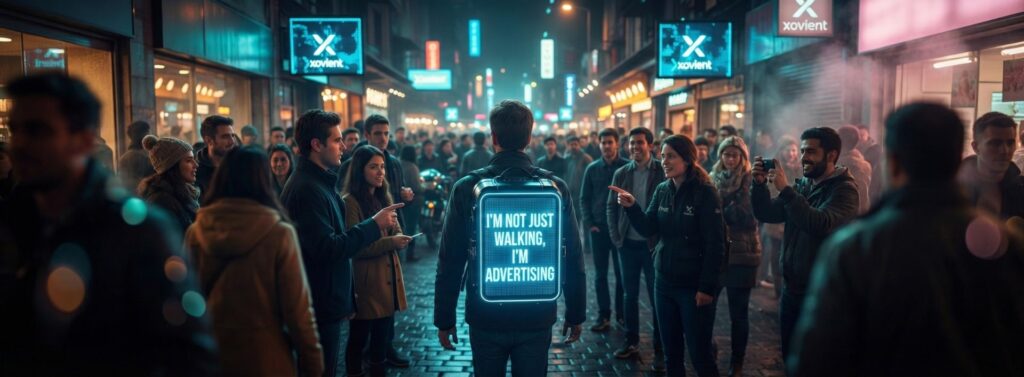
Mumbai never slows down. From packed local trains to busy streets and markets, people are always on the move. In such a fast-paced city, advertising needs to move too. That’s where walking-based digital outdoor formats come into the picture. At first glance, they may seem simple, but their impact often surprises even experienced marketers.
This article breaks down the cost, reach, and real-world impact of this advertising format in a clear and easy way. If you’ve ever wondered how brands catch attention in Mumbai’s crowded streets, read on.
Understanding Walking-Based Digital Outdoor Advertising
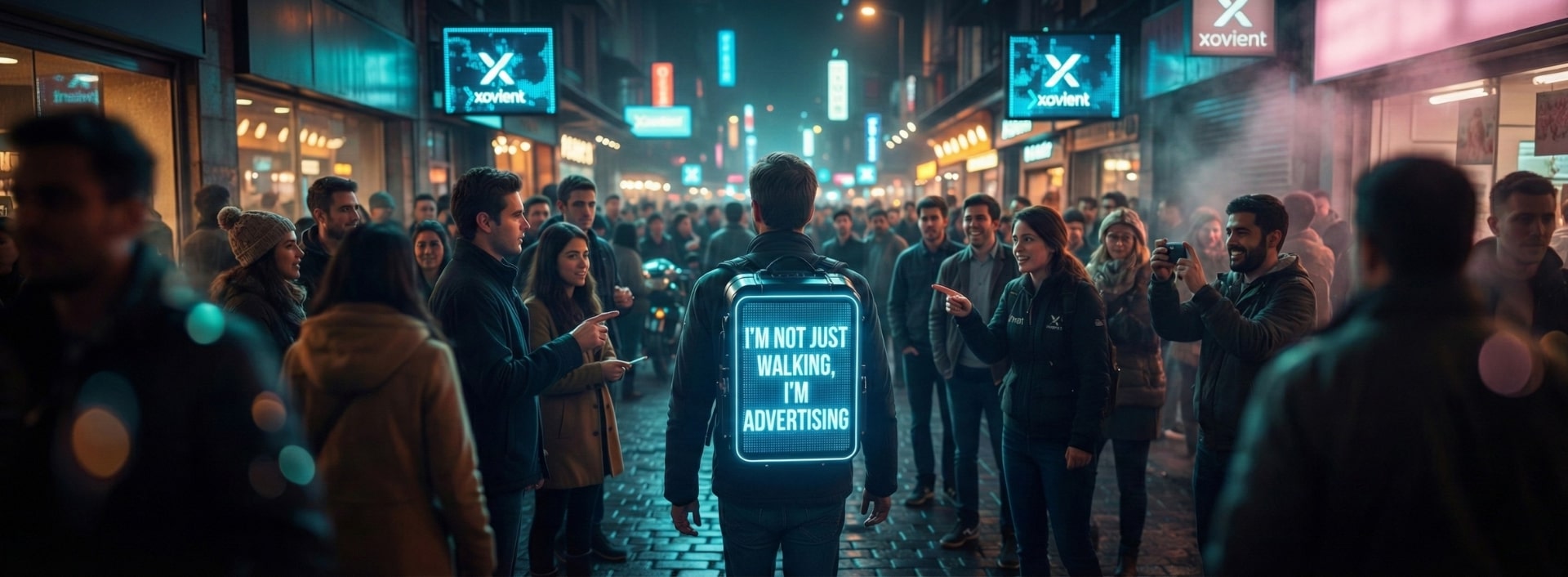
This format uses digital screens carried by trained promoters who walk through high-footfall areas. Instead of waiting for people to notice a fixed board, the message goes directly to them.
Why Movement Matters
Movement naturally draws the human eye. When a screen walks past you, your attention shifts without effort. In a city full of noise and visuals, this small shift makes a big difference.
Where It Is Commonly Seen
You’ll often notice it in:
-
Busy markets
-
Railway stations
-
Commercial hubs
-
Events and exhibitions
-
Tourist spots
Each location offers a different type of audience, which adds to its flexibility.
Note:
If you’re exploring Walking DOOH Advertising In Mumbai and want to understand how campaigns are planned and executed effectively, Xovient works with brands to turn street-level visibility into real attention. Contact them to learn more about how this approach fits your goals.
Breaking Down the Cost: What You’re Really Paying For
Unlike traditional outdoor ads, costs here depend on several moving parts. This is not a one-size-fits-all model.
Key Cost Factors
-
Duration of the campaign
-
Number of walking units
-
Daily hours of activity
-
Area and foot traffic density
What makes it interesting is that brands can start small and scale later.
| Cost Element | What It Covers | Why It Matters |
|---|---|---|
| Campaign Duration | Number of active days | Longer runs increase recall |
| Number of Units | How many screens are walking | More units mean wider exposure |
| Location Choice | Busy or premium areas | High footfall improves visibility |
| Daily Hours | Active display time | More hours increase impressions |
This flexible structure helps businesses control spending while still testing real-world results.
How Far Does the Message Really Travel?
Reach is not just about numbers. It’s about who sees the message and when.
Street-Level Exposure
Unlike static ads placed high above, this format stays at eye level. People don’t need to look up or search for it.
Audience Variety
In a single day, the same screen may be seen by:
-
Office workers
-
Students
-
Shoppers
-
Tourists
This natural mix makes the reach broad and organic.
| Area Type | Audience Type | Typical Engagement |
|---|---|---|
| Markets | Local shoppers | High attention, short duration |
| Business Zones | Professionals | Medium attention, repeat views |
| Transit Areas | Daily commuters | Frequent exposure |
| Events | Targeted visitors | High interest and recall |
The real surprise is how often people remember what they saw, even after a brief glance.
The Real Impact: What Happens After People See It
Here’s where curiosity kicks in. Does walking advertising actually change behavior?
Immediate Attention
Movement plus digital light creates instant notice. Many people turn their heads without realizing why.
Word-of-Mouth Effect
People often talk about what they saw, especially when the message is simple or creative. This adds value beyond the street.
Stronger Brand Recall
Because the experience feels different, the message stays longer in memory compared to static visuals.
Key impacts often observed include:
-
Higher brand recognition
-
Better recall without repetition
-
Increased curiosity about the brand
The impact is subtle, but it builds steadily.
Why Simplicity Works Best
Mumbai’s audience doesn’t have time to decode complex messages. Short, clear visuals work best.
Content That Connects
-
Bold text
-
Bright visuals
-
One clear message
When done right, people understand the idea in seconds. That’s the real strength of this format.
Is This Format Right for Every Brand?
Not always. It works best for:
-
Local awareness campaigns
-
Event promotions
-
New launches
-
Short-term visibility goals
Brands looking for deep explanations may need other channels to support it.
Final Thoughts: A Moving Message in a Moving City
Mumbai rewards ideas that respect its speed. Advertising that moves with the crowd feels natural, not forced. The real impact lies in being seen without interrupting.
If used thoughtfully, this format becomes more than just a screen on the street. It becomes a moment of attention in a city full of distractions.